Description
The Benefits of Sunflower
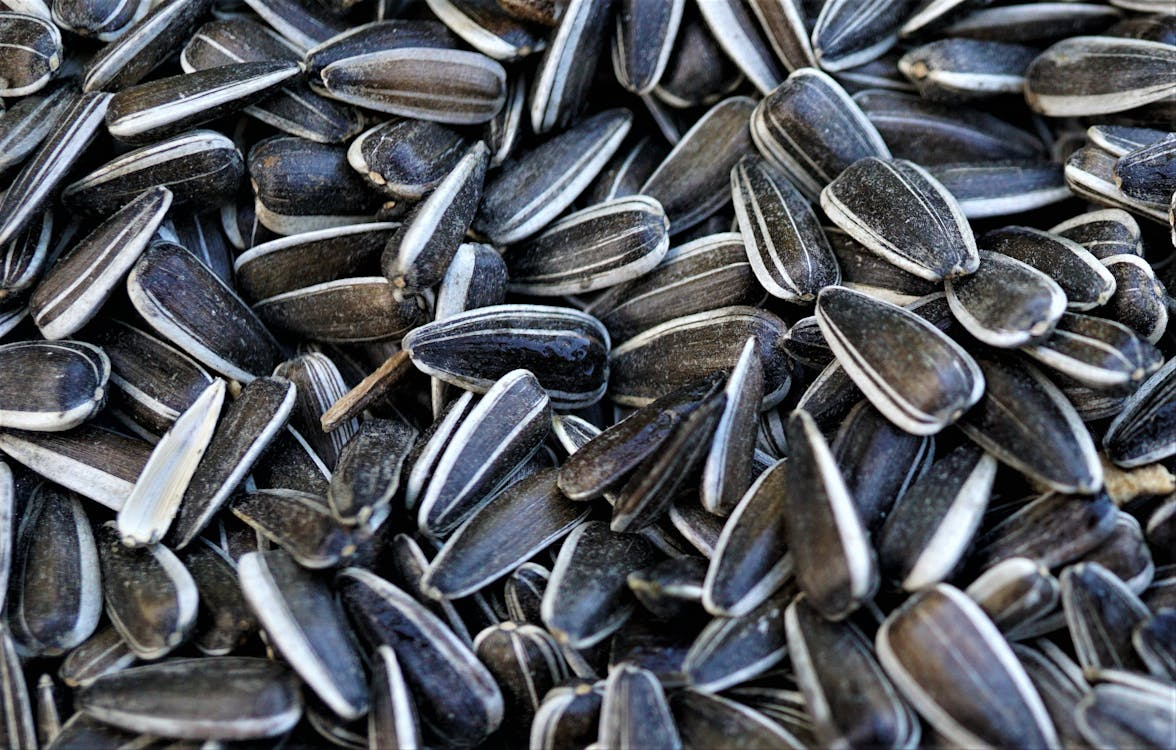
Sunflower seeds are commonly eaten as a snack but can also be consumed as part of a meal. They can be used as garnishes or ingredients in various recipes. The seeds may be sold as in-shell seeds or dehulled kernels or be sprouted and eaten in salads.
When in-shell seeds are processed, they are first dried. Afterwards, they may be roasted or dusted with salt or flour for the preservation of flavor.
Dried sunflower seeds are 5% water, 20% carbohydrates, 51% fat, and 21% protein (table). In a reference amount of 100 g (3.5 oz), sunflower seeds provide 584 kilocalories of food energy, and are a rich source (20% or higher of the Daily Value, DV) of protein (42% DV), dietary fiber (36% DV), several B vitamins (23–129% DV), and vitamin E (234% DV) (table).
The seeds contain high levels of dietary minerals, including potassium, magnesium, manganese, phosphorus, iron, zinc, and copper (22–200% DV, table).





Reviews
There are no reviews yet.