Description
The Benefits of Moringa
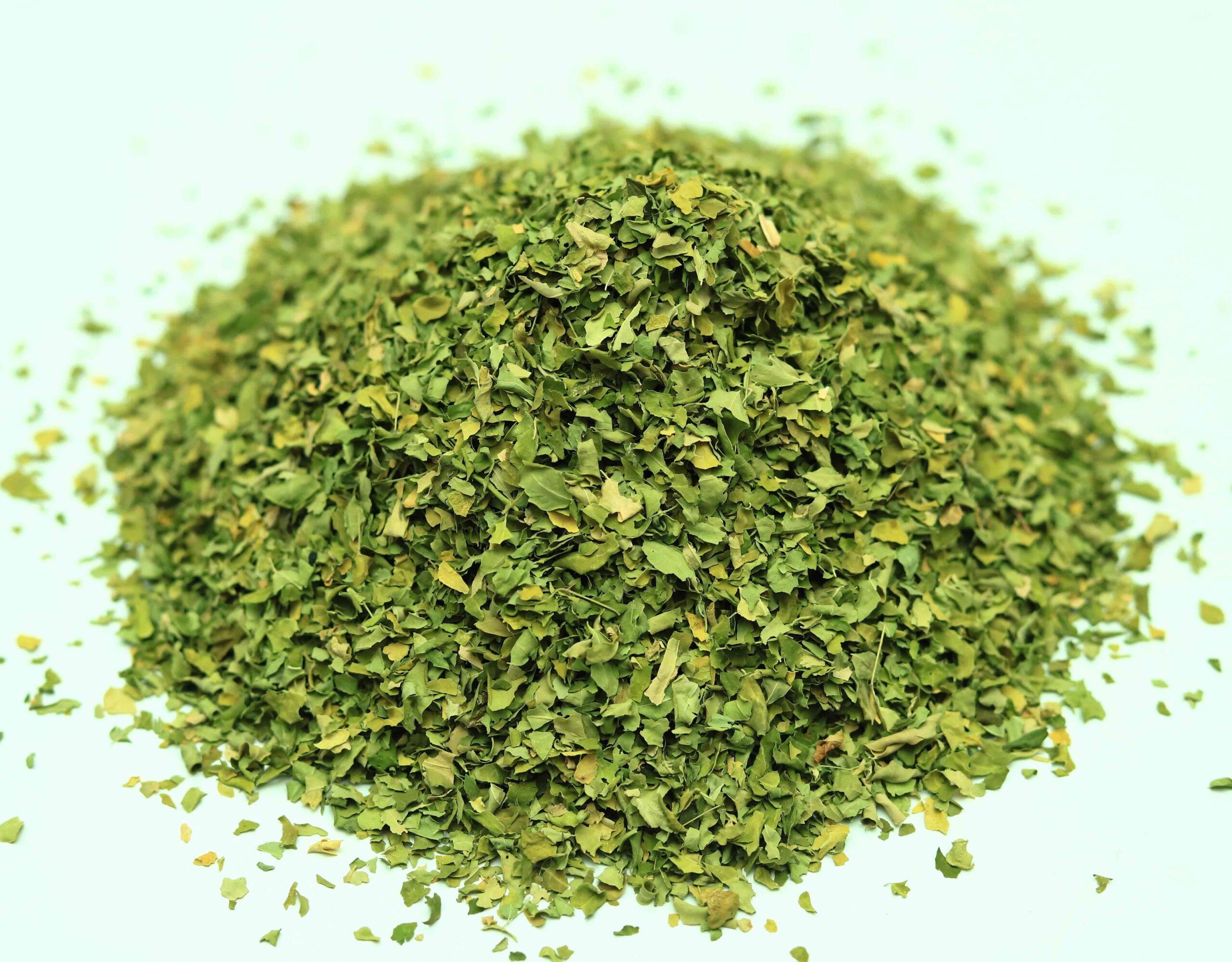
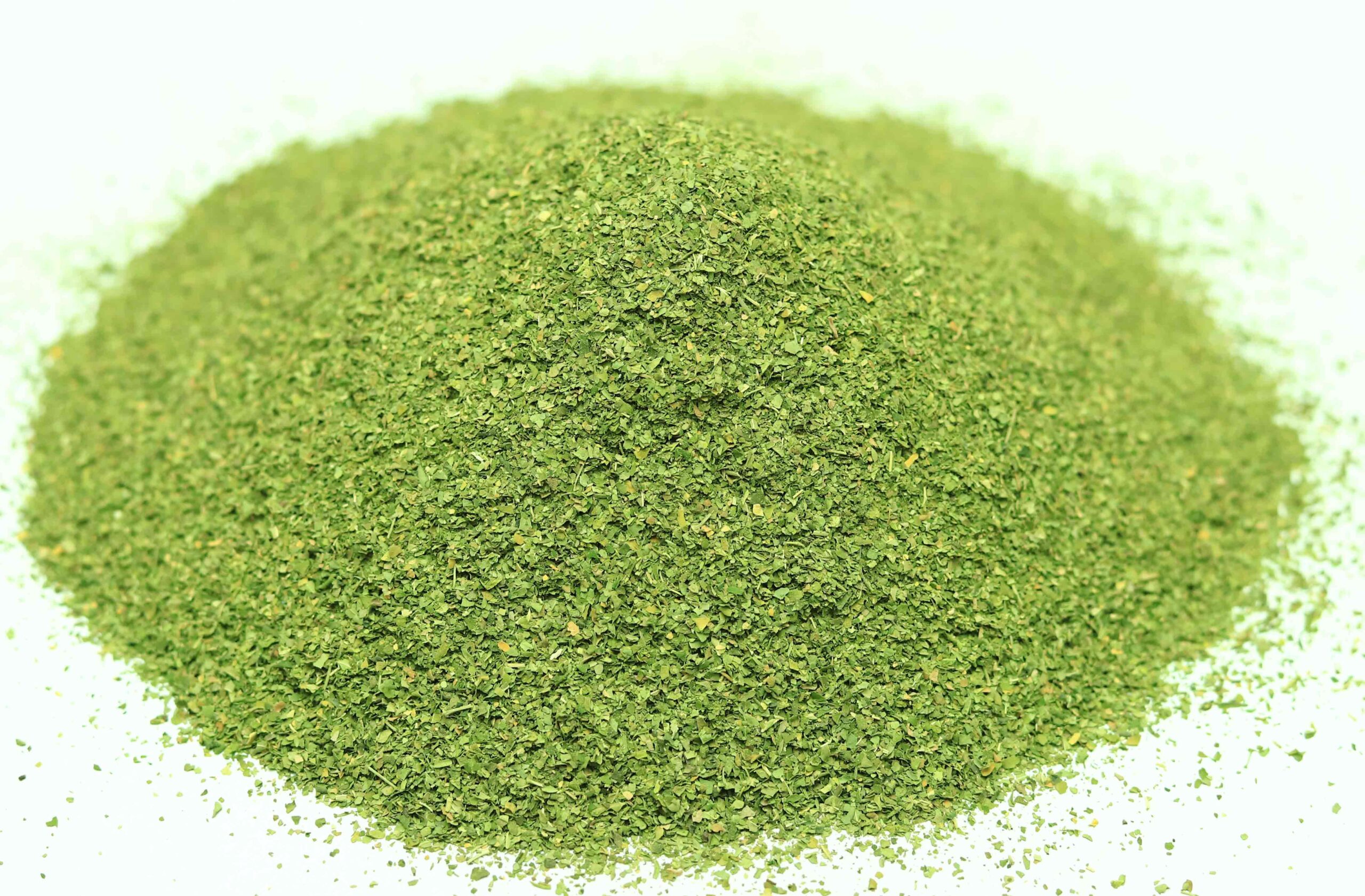
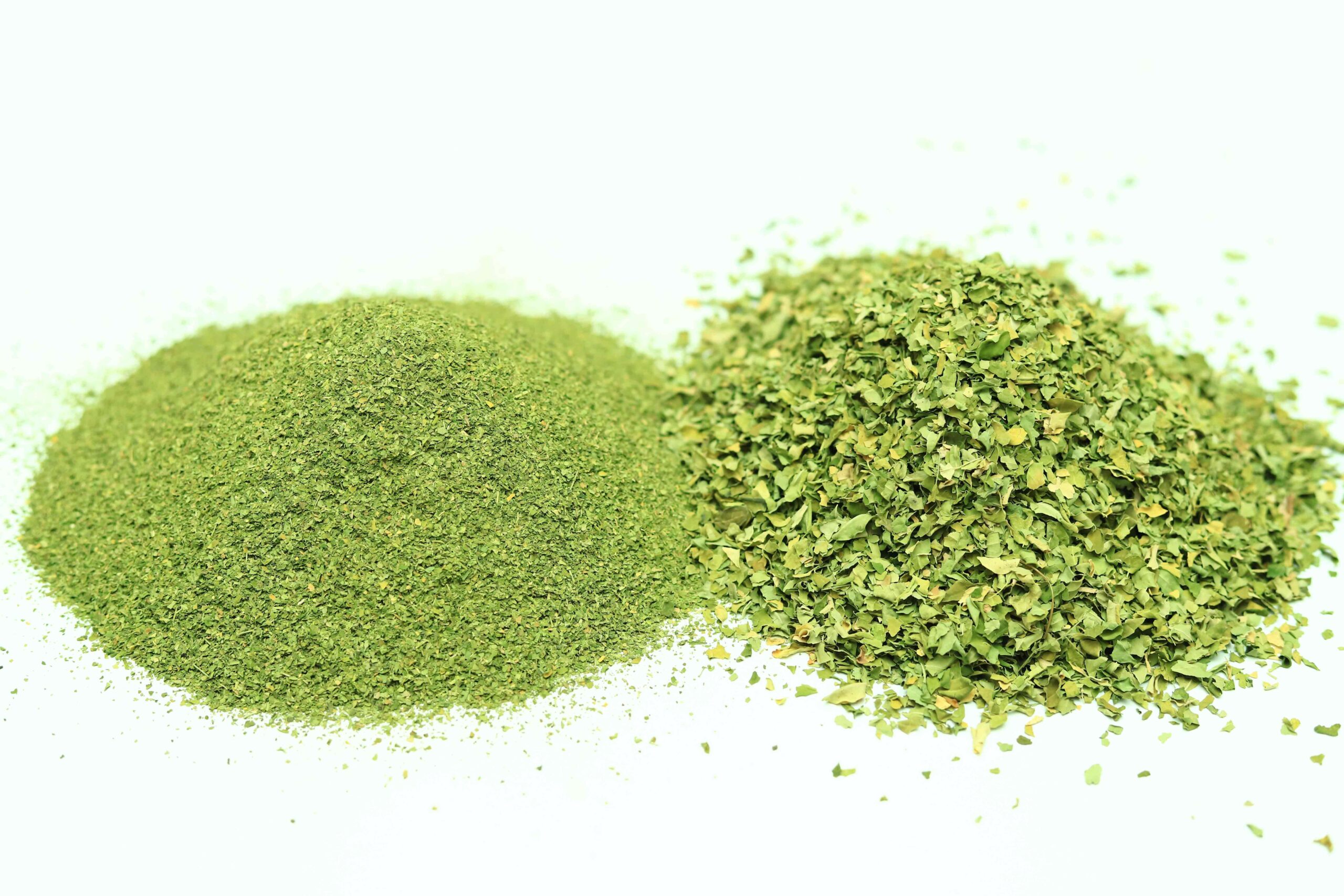
Moringa has numerous applications in cooking throughout its regional distribution. Edible parts of the plant include the whole leaves ; the immature, green fruits or seed pods; the fragrant flowers; and the young seeds and roots.
The leaves are the most nutritious part of the plant, being a significant source of B vitamins, vitamin C, provitamin A as beta-carotene, vitamin K, manganese, and protein
In developing countries, moringa has the potential to improve nutrition, boost food security, foster rural development, and support sustainable Landcare
It may be used as forage for livestock, a micronutrient liquid, a natural anthelmintic, and possible adjuvant






Reviews
There are no reviews yet.